
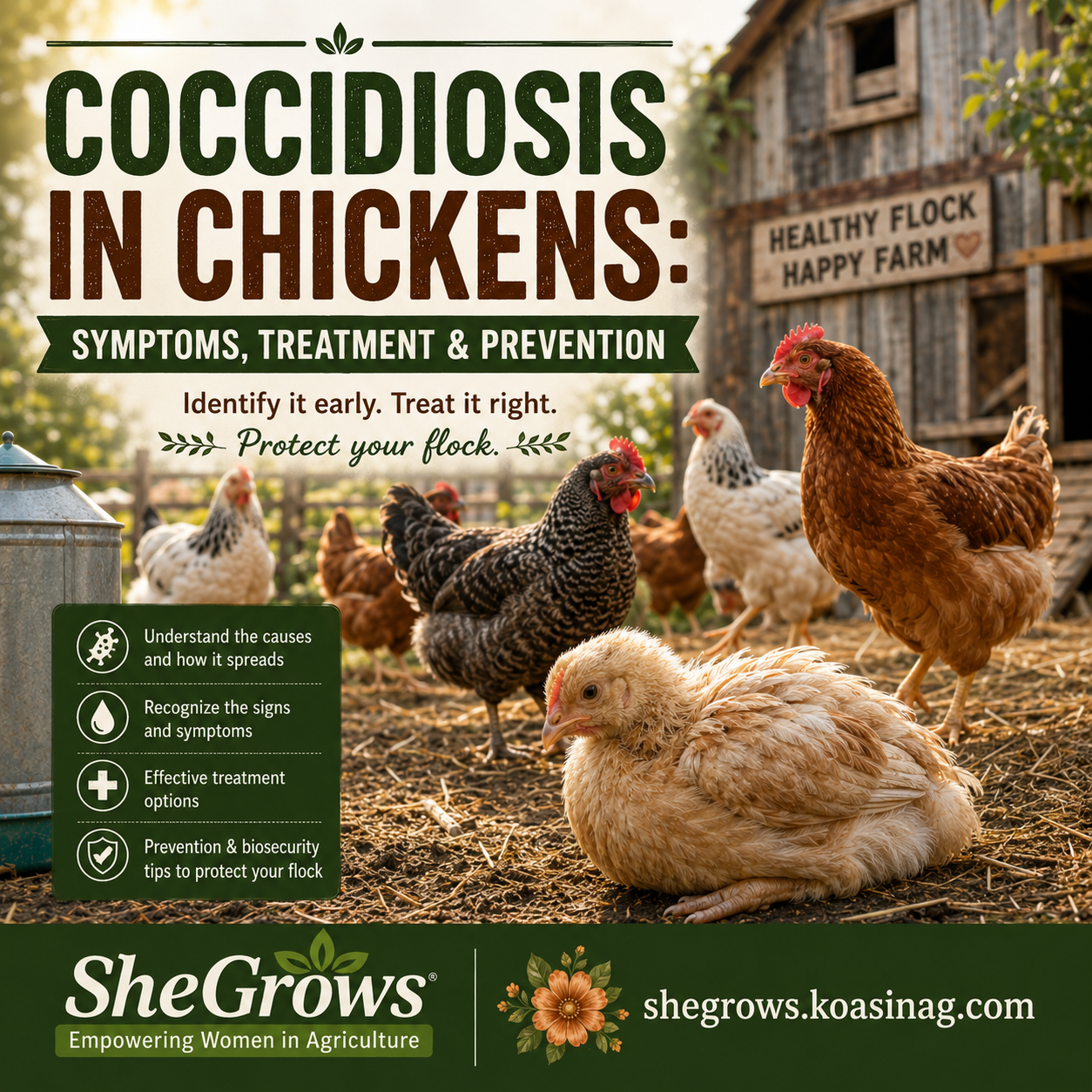
Coccidiosis in Chickens: Everything You Need to Know
Coccidiosis is one of the most common and costly diseases affecting chickens worldwide. It can spread rapidly through a flock, especially in young birds, and if left untreated, it can lead to severe illness or death. The good news is that coccidiosis is both treatable and largely preventable with good management and early intervention.
Whether you’re raising backyard chickens or managing a larger flock, understanding this disease can help you keep your birds healthy and productive.
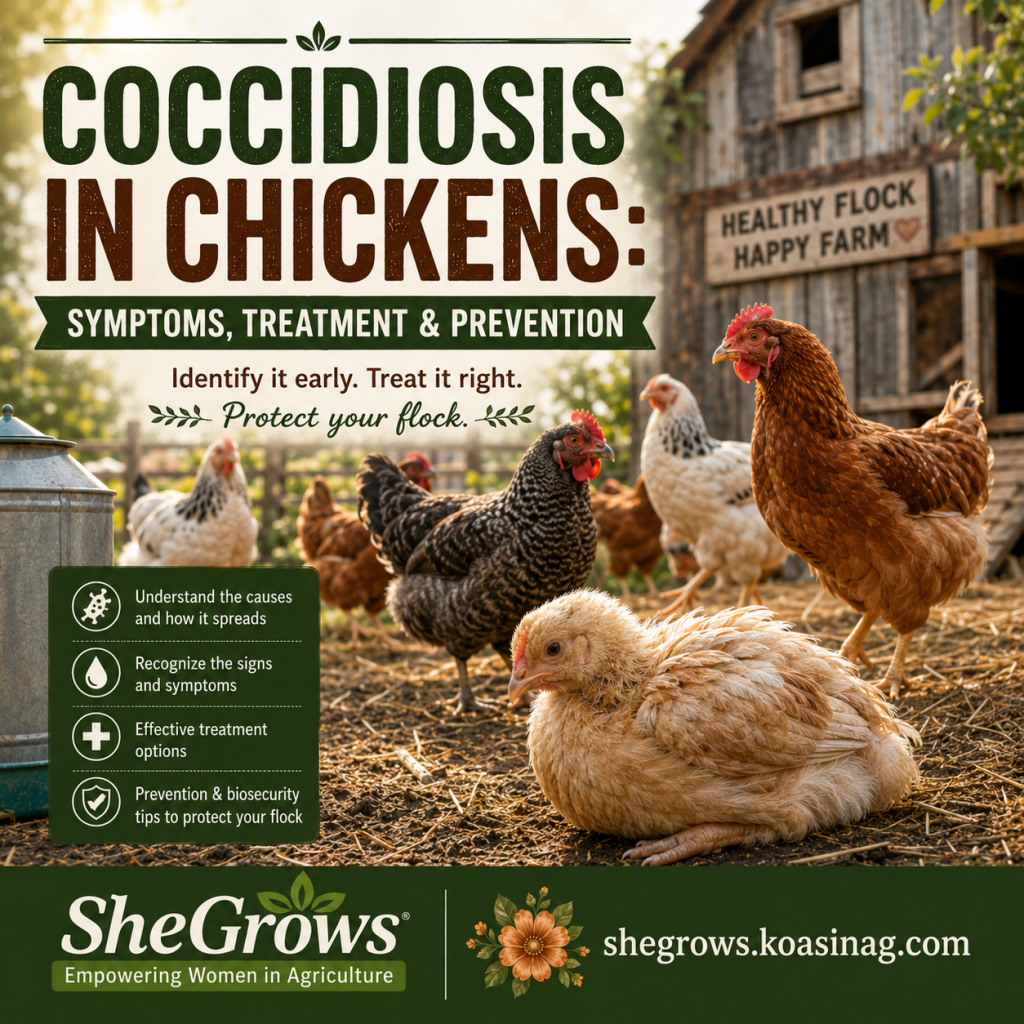
What Is Coccidiosis?
Coccidiosis is a parasitic disease caused by microscopic protozoan parasites belonging to the genus Eimeria.
There are several species of Eimeria that affect chickens, and each targets a different part of the intestinal tract. Some species cause only mild illness, while others can lead to severe intestinal damage and death.
Unlike bacterial or viral diseases, coccidiosis is caused by protozoan parasites, meaning antibiotics alone will not cure the disease.
What Type of Disease Is Coccidiosis?
Coccidiosis is classified as a:
- Protozoal disease
- Intestinal parasitic disease
- Highly contagious poultry disease
It primarily affects the digestive tract, damaging the intestinal lining and interfering with nutrient absorption.
What Causes Coccidiosis?
The disease is caused when chickens ingest infective coccidia oocysts (tiny parasite eggs) from contaminated environments.
Common sources include:
- Dirty litter
- Wet bedding
- Contaminated soil
- Feed contaminated with droppings
- Dirty drinkers and feeders
- Muddy runs
- Standing water
Once ingested, the parasites multiply inside the intestinal cells, causing tissue damage before being shed back into the environment through droppings.
Is Coccidiosis Contagious?
Yes.
Although coccidiosis doesn’t spread directly from bird to bird through the air, it spreads very easily through contaminated droppings.
A single infected chicken can shed millions of oocysts into the environment.
Other chickens become infected by:
- Pecking contaminated ground
- Eating contaminated feed
- Drinking contaminated water
- Walking through infected droppings
Warm, damp conditions allow the parasite to multiply rapidly.
Which Chickens Are Most at Risk?
Young birds between 3 and 18 weeks of age are most susceptible because they haven’t yet developed immunity.
Risk factors include:
- Overcrowding
- Wet litter
- Poor sanitation
- Stress
- Sudden weather changes
- Introducing new birds
- Poor nutrition
Adult chickens can also develop coccidiosis, especially if they are stressed or exposed to high numbers of parasites.
Download your free Infographic here:
https://shegrows.koasinag.com/wp-content/uploads/2026/07/SheGrows-Coccidiosis-InfoGraphic.pdf
Symptoms of Coccidiosis
Symptoms vary depending on the Eimeria species involved and the severity of infection.
Common signs include:
- Bloody droppings (especially with certain species)
- Diarrhea
- Ruffled feathers
- Fluffed-up appearance
- Depression
- Poor appetite
- Weight loss
- Weakness
- Pale comb and wattles
- Hunched posture
- Dehydration
- Reduced growth
- Sudden death in severe cases
Not every case causes bloody droppings. Some species cause watery diarrhea or poor growth without visible blood.
What Does Chicken Poop Look Like With Coccidiosis?
Droppings may be:
- Bloody
- Dark red
- Chocolate brown
- Watery
- Mucus-covered
- Loose
It’s important to remember that chickens occasionally pass a normal intestinal shedding (cecal poop), which is dark, sticky, and foul-smelling. This is not the same as bloody diarrhea, so don’t confuse the two.
How Is Coccidiosis Diagnosed?
A veterinarian may diagnose coccidiosis by:
- Reviewing clinical signs
- Examining droppings under a microscope (fecal flotation)
- Performing a post-mortem examination
- Assessing flock history and age
Because other diseases can also cause diarrhea and blood in droppings, laboratory confirmation is recommended whenever possible.
Diseases That Can Look Like Coccidiosis
Several diseases share similar symptoms, including:
- Necrotic enteritis
- Salmonellosis
- Histomoniasis (Blackhead disease)
- Worm infestations
- Ulcerative enteritis
- Toxin ingestion
Correct diagnosis ensures appropriate treatment.
How to Treat Coccidiosis
Early treatment greatly improves survival.
Treatment commonly involves anticoccidial medications, such as:
- Amprolium (commonly used in many countries)
- Other anticoccidial products prescribed or recommended by your veterinarian
Treatment plans vary depending on your country and the type of flock (backyard, commercial, or breeding).
Always follow the product label and consult your veterinarian for advice, especially regarding egg and meat withdrawal periods.
Supportive Care
Alongside medication:
- Provide plenty of clean, fresh water.
- Offer high-quality feed.
- Keep birds warm and dry.
- Reduce stress.
- Remove heavily soiled bedding.
- Clean feeders and drinkers daily.
Electrolytes may help support dehydrated birds during recovery.
What Should You Do If Healthy Chickens Have Been Exposed?
If one bird is diagnosed with coccidiosis, assume the rest of the flock has been exposed.
1. Separate Very Sick Birds
Move severely affected birds to a clean, dry isolation area where they can be monitored closely.
2. Treat the Entire Flock (When Appropriate)
Because exposure usually affects multiple birds, flock-wide treatment is often recommended. Follow your veterinarian’s advice and the medication label.
3. Improve Hygiene Immediately
Remove:
- Wet bedding
- Dirty litter
- Standing water
- Contaminated feed
Disinfect feeders and drinkers daily.
4. Monitor Closely
Watch all birds for:
- Bloody droppings
- Weight loss
- Reduced appetite
- Lethargy
- Fluffed feathers
Early treatment can prevent severe disease.
Can Chickens Recover?
Yes.
Most chickens recover fully if treatment begins early.
However, severe infections can permanently damage the intestines, reducing growth and egg production.
Birds that recover often develop immunity to the specific Eimeria species that infected them, but they can still become infected with different species.
Can Humans Catch Coccidiosis?
No.
The Eimeria species that infect chickens are species-specific and do not infect humans.
Good hygiene is still essential when handling sick birds or cleaning coops.
How to Prevent Coccidiosis
Prevention is far easier than treatment.
Keep Bedding Dry
Moisture allows oocysts to mature and become infective.
Replace wet litter promptly.
Clean Feeders and Drinkers
Prevent contamination from droppings.
Avoid Overcrowding
Provide enough space to reduce parasite build-up.
Practice Good Biosecurity
- Quarantine new birds for at least 30 days.
- Clean equipment regularly.
- Limit unnecessary visitors.
Use Medicated Chick Starter (Where Appropriate)
Many chick starter feeds contain anticoccidial medication, such as amprolium, to help protect young chicks while they develop natural immunity.
Always follow the feeding instructions and consult your veterinarian if you’re unsure whether medicated feed is suitable for your flock.
Vaccination
Some commercial hatcheries vaccinate chicks against coccidiosis.
Vaccination exposes chicks to controlled amounts of weakened or selected coccidia, allowing them to develop immunity.
Vaccinated birds should generally not receive medicated starter feed containing anticoccidials unless specifically advised, as this can interfere with immunity development.
Download your free Infographic here:
https://shegrows.koasinag.com/wp-content/uploads/2026/07/SheGrows-Coccidiosis-InfoGraphic.pdf
Frequently Asked Questions
Can adult chickens get coccidiosis?
Yes. While young birds are most susceptible, adults can become ill if exposed to large numbers of parasites or if they are stressed.
How long does treatment take?
Many birds show improvement within a few days of starting treatment, but complete recovery depends on the severity of the infection and intestinal damage.
Can eggs from chickens with coccidiosis be eaten?
The disease itself does not make eggs unsafe. However, if hens are receiving medication, follow the product label or your veterinarian’s advice regarding egg withdrawal periods.
Does coccidiosis stay in the soil?
Yes. Oocysts can survive in the environment for months, especially in damp, shaded conditions. Good sanitation and keeping litter dry are essential for reducing contamination.
Download your free Infographic here:
https://shegrows.koasinag.com/wp-content/uploads/2026/07/SheGrows-Coccidiosis-InfoGraphic.pdf
Final Thoughts
Coccidiosis is one of the most common diseases poultry keepers encounter, but it doesn’t have to be devastating. Early recognition, prompt treatment, and excellent coop hygiene can save lives and prevent future outbreaks.
By maintaining dry bedding, providing clean feed and water, managing stocking density, and using preventive measures such as medicated starter feed or vaccination where appropriate, you can greatly reduce the risk of coccidiosis in your flock.
Healthy management practices are the foundation of a healthy flock.
Download your free Infographic here:
https://shegrows.koasinag.com/wp-content/uploads/2026/07/SheGrows-Coccidiosis-InfoGraphic.pdf

